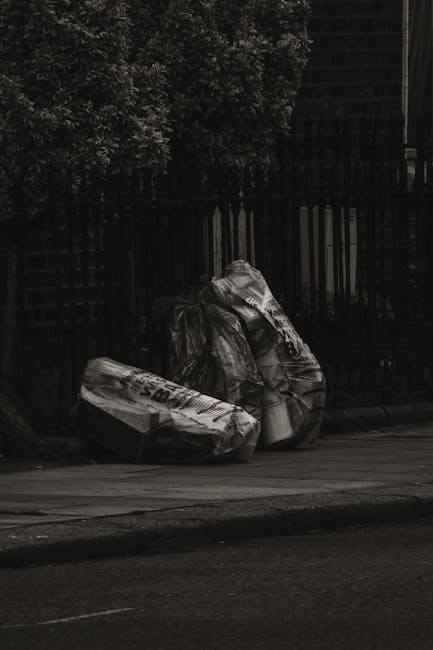
Ealing Road local rubbish collection tips and rates
If you live or work near Ealing Road, rubbish has a way of piling up faster than you expect. One broken wardrobe turns into a hallway full of splintered wood, one office clear-out becomes three bin bags of paper, and suddenly you are comparing collection options with a mug of tea going cold beside you. This guide to Ealing Road local rubbish collection tips and rates is here to make that choice easier. You will find practical advice on what affects pricing, how collections usually work, how to prepare waste properly, and where people commonly waste money without meaning to.
Truth be told, most rubbish collection jobs are simpler once you know what to ask for and what to avoid. That is the real value here: fewer surprises, better planning, and a cleaner result with less hassle.
Why Ealing Road local rubbish collection tips and rates Matters
Ealing Road is busy, practical, and constantly in motion. Shops restock, flats get turned over, homes get refurbished, and small businesses create mixed waste that needs clearing quickly. Because of that, rubbish collection is not just a convenience; it is part of keeping a property usable, safe, and presentable.
Rates matter too, but not only because of the price tag. The wrong collection option can cost more in time, labour, missed pickups, or hidden extras. For example, a job that looks small from the pavement may turn out to include heavy items, awkward stairs, or materials that need sorting before loading. That is where a little planning pays off.
In our experience, the people who get the best value are rarely the ones chasing the lowest headline price. They are the ones who describe the waste clearly, choose the right method for the job, and prepare access properly. Simple enough, but it makes a big difference.
Expert summary: The smartest rubbish collection choice near Ealing Road is usually the one that matches the waste type, access, and timing-not just the cheapest one on paper.
How Ealing Road local rubbish collection tips and rates Works
Local rubbish collection typically starts with a description of what needs removing. That sounds obvious, but it is the step that most affects the quote. A pile of cardboard, a few bags of general household waste, and a broken sofa all behave differently in practice. They take different amounts of labour, space, and disposal handling.
Most collection services look at some combination of the following:
- Volume - how much waste there is, usually in bags, cubic yards, or load size.
- Weight - heavier waste can increase the cost because it takes more effort and disposal capacity.
- Waste type - mixed rubbish, furniture, appliances, builders' debris, garden waste, and confidential material may be priced differently.
- Access - stairs, narrow hallways, loading restrictions, parking distance, and lift access all affect labour.
- Urgency - same-day or short-notice collection may cost more than planned booking.
- Sorting requirements - some items need separating for recycling or special disposal.
That is why two jobs that look similar at first glance can produce very different rates. A tidy ground-floor flat clearance is not the same as a third-floor loft job with a steep staircase and heavy old units. You know it when you see it.
If you are comparing services, it helps to think in terms of total value rather than just collection fees. A slightly higher rate can be better if it includes labour, loading, recycling, and responsible disposal without extra charges appearing later. For more detail on how pricing is usually handled, it can help to review the site's pricing and quotes information.
Key Benefits and Practical Advantages
Getting rubbish cleared properly is about more than removing clutter. There are some very real day-to-day benefits, especially on a street like Ealing Road where space is precious and traffic can make everything feel a bit tighter than you'd like.
- More usable space - a cleared room, yard, shop back area, or hallway works better straight away.
- Better safety - fewer trip hazards, less fire load, and less risk from sharp edges or heavy stacked waste.
- Cleaner presentation - useful for landlords, tenants, shop owners, and anyone preparing a sale or handover.
- Less stress - one scheduled collection is easier than dozens of little trips to move rubbish yourself.
- Improved recycling outcomes - mixed waste can often be separated more effectively by a proper collection team.
- Better time control - fast removal can keep a refurbishment, move, or business operation on schedule.
There is also a quieter benefit that people sometimes forget: once the waste is gone, decision-making gets easier. Clear space tends to create clear thinking. Slightly dramatic, maybe, but ask anyone who has finally emptied a garage after years of delay.
If sustainability matters to you, it is worth looking at how the provider handles waste streams and recycling. The site's recycling and sustainability page is a sensible place to understand the general approach.
Who This Is For and When It Makes Sense
Ealing Road local rubbish collection is useful for a wide mix of people. Some need a one-off clearance. Others need regular support. The common thread is that the waste has outgrown the bins, the boot of the car, or the patience of the person dealing with it.
- Homeowners clearing lofts, garages, spare rooms, or post-renovation debris.
- Landlords and letting agents dealing with end-of-tenancy items left behind.
- Tenants needing to clear bulky waste before moving out.
- Shop owners removing packaging, old display units, stock packaging, or broken furniture.
- Offices discarding desks, chairs, filing cabinets, paper waste, and outdated equipment.
- Builders and tradespeople needing timely removal of rubble, timber, and mixed site waste.
It makes sense when the waste is too large, too awkward, or too time-sensitive for standard disposal routes. It also makes sense when the waste needs a more careful approach, such as furniture that can be reused or confidential material that should not be left sitting around. For office-related clearances, the office clearance service may be more relevant than a general waste callout.
And if the job is mostly domestic, there are dedicated services for home clearance and house clearance that may fit better. That distinction matters more than people think.
Step-by-Step Guidance
If you want a cleaner quote and a smoother collection day, follow a simple process. Nothing fancy. Just a bit of structure.
- Sort the waste into rough groups. Separate general rubbish, furniture, metal items, garden waste, electricals, and anything potentially hazardous.
- Estimate the volume. Try to work out whether it is a few bags, part of a room, or a full load. A photo helps a lot.
- Check access. Make note of stairs, parking restrictions, narrow doors, lift access, and any items that need dismantling.
- Identify special items. Fridges, sofas, mattresses, paint, solvents, and sharp waste often need specific handling.
- Ask for a clear quote. Make sure you know what is included: labour, loading, disposal, and any extra charges.
- Choose a time that fits the property. If neighbours, tenants, or staff need to be aware, plan around that.
- Prepare the collection area. Move safe items closer to the exit if possible and keep pathways open.
- Confirm payment and collection terms. Keep it straightforward so there are no awkward surprises on the day.
Small note, but an important one: if the collection team arrives and discovers the waste is very different from the description, the price can change. That is not a trick; it is just the reality of labour and disposal costs. Better to over-describe than under-describe.
If your clearance includes heavy or awkward items, it may be worth looking at specialist pages such as furniture disposal, mattress and sofa disposal, or fridge and appliance removal.
Expert Tips for Better Results
Here is where a bit of field knowledge helps. Small choices can change the whole experience, especially on a street where access, parking, and timing can be a bit of a dance.
- Take photos in daylight. Natural light makes waste easier to assess than a dim phone flash in a hallway at 8pm.
- Be honest about mixed waste. Mixed loads are more complicated than plain cardboard or one type of item.
- Keep hazardous items separate. Paint, chemicals, and certain appliances may need special handling.
- Measure the largest items. Oversized furniture can affect loading time and whether dismantling is needed.
- Book before the pressure point. Waiting until the last minute often means fewer options and higher stress.
- Ask about recycling. A good collection approach should not treat everything as generic rubbish.
If you are clearing a garden, the waste can look harmless but be surprisingly bulky once branches, soil, pots, and broken fencing are all together. For that, the garden clearance service is often the better fit.
One more practical tip: keep a small buffer in your budget. Even the best-planned job can pick up a little extra because, well, real life likes to nibble at neat plans. A spare bit of margin is useful.
Common Mistakes to Avoid
Most costly rubbish collection mistakes are boring, not dramatic. And that is exactly why people repeat them. The good news is that they are easy to avoid once you know what they are.
- Using the wrong service type. A builder's waste job is not the same as a furniture pickup.
- Forgetting access details. Stairs, narrow lanes, and no-parking zones can change the workload quickly.
- Leaving hazardous items in the mix. This can delay collection or increase costs.
- Assuming all rates are comparable. Some quotes include loading and disposal; others do not.
- Not separating bulky items. Sorting before collection often saves time and confusion.
- Ignoring the weight factor. Heavy rubble or dense materials can be much pricier than light waste in the same volume.
Another mistake is calling everything "just rubbish." That phrase may work in a hurry, but it is vague. A sofa, a broken freezer, and ten bin bags are all rubbish in a general sense, yet they are not priced or handled the same way. Precision matters, even if it feels a bit tedious at the time.
For property clearances where multiple room types are involved, pages such as flat clearance, loft clearance, and garage clearance can help you match the job more accurately.
Tools, Resources and Recommendations
You do not need specialist equipment to plan a rubbish collection, but a few simple tools make the process a lot smoother.
- Phone camera - useful for sending clear photos of the waste and access route.
- Tape measure - helpful for large furniture, appliance dimensions, or tight doorways.
- Notebook or notes app - jot down item counts, awkward details, and any deadlines.
- Bin bags or boxes - keep loose waste contained so the job is quicker to assess.
- Labels or tape - handy if you are separating items for reuse, recycling, or removal.
It can also help to review a provider's practical policy pages if you want reassurance before booking. For example, insurance and safety, health and safety policy, and payment and security are all sensible pages to check when you want to understand the standards behind the service.
When the job involves a room full of mixed items, a house clearance or home clearance approach is usually easier than trying to split everything into separate small bookings. That is one of those little operational details that saves time and friction.
Law, Compliance, Standards, or Best Practice
Waste collection in the UK is not something to treat casually. Even if a job feels small, the person removing waste should handle it responsibly, and the waste should go to the appropriate destination. You do not need to become an expert in waste legislation to make a good choice, but you should look for sensible best practice.
In plain English, best practice usually means:
- the waste is collected and transported responsibly;
- hazardous materials are treated separately;
- recycling is used where practical;
- the service is transparent about pricing and what is included;
- access, loading, and safety are planned rather than guessed.
If your waste includes items that could be dangerous, such as chemicals or other restricted materials, treat that as a separate conversation. The hazardous waste disposal page is relevant for understanding that kind of material at a basic level.
For business customers, compliance matters even more. Business waste should be handled in a way that supports record-keeping, safe disposal, and a clear handover. If confidential paper or sensitive documents are involved, confidential shredding may be the more appropriate route than general waste.
And for contractors or site work, it helps to know what belongs in mixed construction loads before anything is tipped. The what can go in a skip guidance is a useful reference point for those decisions.
Options, Methods, or Comparison Table
Choosing a collection method is often about matching the job to the level of support you need. Here is a simple comparison to make that easier.
| Option | Best for | Strengths | Watch-outs |
|---|---|---|---|
| General rubbish collection | Mixed household or light commercial waste | Fast, flexible, easy for one-off clear-outs | May not suit heavy or specialist items |
| Furniture clearance | Sofas, tables, wardrobes, and bulky pieces | Useful for large, awkward items | Access and dismantling can affect the rate |
| Office clearance | Desks, chairs, paperwork, and equipment | Good for business turnover and refits | Confidential and electrical items may need separate handling |
| Builders' waste clearance | Renovation debris, timber, rubble, packaging | Suitable for trade and refurbishment jobs | Heavy waste can raise costs quickly |
| Garden clearance | Green waste, fencing, sheds, pots, soil | Good for seasonal clean-ups | Soil and mixed green waste can be heavier than expected |
To be fair, no table replaces a proper description of the waste. But it does help you see where the job sits before you book.
If your job is mainly furniture, the dedicated furniture clearance route may be more suitable than a broader waste removal option. Likewise, builders working on kitchens or refurbishments may get a better fit from builders waste clearance.
Case Study or Real-World Example
Here is a simple real-world-style example. A small property on or near Ealing Road is being turned around between tenants. The landlord has three bin bags of mixed rubbish, an old bed frame, a mattress, a broken chair, and a few boxes from the previous move. Nothing dramatic. Just a typical clear-out, really.
At first glance, the landlord thinks it is "probably just a quick job." But once the items are checked, it turns out the bed frame needs dismantling, the mattress needs separate handling, and access is via a narrow stairwell with limited parking outside. The collection is still straightforward, but the planning matters.
By sorting the items first, taking a couple of clear photos, and asking for a quote that reflects the access and item mix, the landlord avoids a re-quote on arrival. The result is a cleaner space by the afternoon, less back-and-forth, and a much easier handover to the next tenant. Nothing flashy. Just useful.
That is the pattern you will notice again and again: the clearer the description, the smoother the collection, and usually the better the value. It really is that simple.
Practical Checklist
Use this checklist before booking a rubbish collection near Ealing Road.
- List every item or waste type you want removed.
- Estimate the amount as accurately as you can.
- Take photos of the waste and access route.
- Note any stairs, parking restrictions, or narrow entrances.
- Separate anything hazardous, sharp, or special-handling.
- Check whether items can be reused, recycled, or need special disposal.
- Confirm what is included in the rate.
- Ask whether labour, loading, and disposal are part of the price.
- Pick a time that suits building access or business opening hours.
- Keep pathways clear on the day.
A quick checklist like this might seem small, but it cuts out most of the confusion. And that matters when you are trying to get on with your day, not spend it arguing over a quote.
Conclusion
Ealing Road local rubbish collection tips and rates come down to a few simple truths: describe the waste clearly, think about access, match the right service to the job, and pay attention to what is included in the price. If you do those things, you are already ahead of most people who try to rush the process.
There is no need to overcomplicate it. A tidy plan, a realistic expectation of costs, and a provider that handles waste responsibly will usually get you the result you want without the drama. And once the clutter is gone, the space feels different straight away. Calmer. Easier. A bit more like yours again.
Get a free quote today and see how much you can save.
Frequently Asked Questions
What affects rubbish collection rates on Ealing Road?
The biggest factors are volume, weight, access, waste type, and urgency. A light, easy-access collection usually costs less than a heavy mixed load from a top-floor property.
Is it cheaper to sort rubbish before collection?
Often, yes. Sorting waste can make quoting clearer and can reduce the chance of delays or extra labour. It is not always a huge saving, but it usually helps.
Can bulky furniture be included in a local rubbish collection?
Yes, but bulky furniture is often priced differently from general rubbish. Sofas, wardrobes, and beds may need specialist handling, especially if they are large or awkward to remove.
How do I know if I need a skip or a collection service?
If you want waste removed quickly without managing loading yourself, a collection service is usually the better fit. If you have ongoing waste generation and space to keep a skip, that can suit larger projects.
What should I do with fridges, freezers, or other appliances?
Appliances usually need specific handling because of their size and components. It is best to mention them separately rather than mixing them into a general rubbish description.
Are hazardous items allowed in general rubbish collection?
Usually not. Hazardous materials should be flagged in advance and handled through the right disposal route. Never assume they can be bundled with general waste.
How can I keep my rubbish collection quote accurate?
Send clear photos, describe the waste honestly, mention access issues, and list any special items. That is the simplest way to avoid price changes on the day.
Is same-day rubbish collection available near Ealing Road?
It can be, depending on availability and the size of the job. Same-day work is often possible for smaller or straightforward collections, but it is always better to ask early.
What is the best way to prepare for a flat clearance?
Separate the waste into rough groups, clear a route to the exit, and identify anything that needs special handling. If the job is larger, a dedicated flat clearance option may be more efficient.
Do business customers need a different approach?
Often they do. Business waste can involve regular pickups, confidential material, equipment, or compliance considerations. That is why business customers often benefit from a more tailored collection plan.
Can collection services help with garden waste?
Yes, especially when there is too much for the usual bins or when branches, fencing, and other bulky items are involved. Garden waste is a common one-off job.
What is the smartest way to avoid overpaying?
Do not book based on a vague description. Be specific about what needs removing, how much there is, and how the property is accessed. That one habit saves people money again and again.
If you want to look at related services or company information before booking, the most relevant starting points are waste removal, about us, and book online.